
Why Student Accommodation Providers Should Be Using Sign Spinning
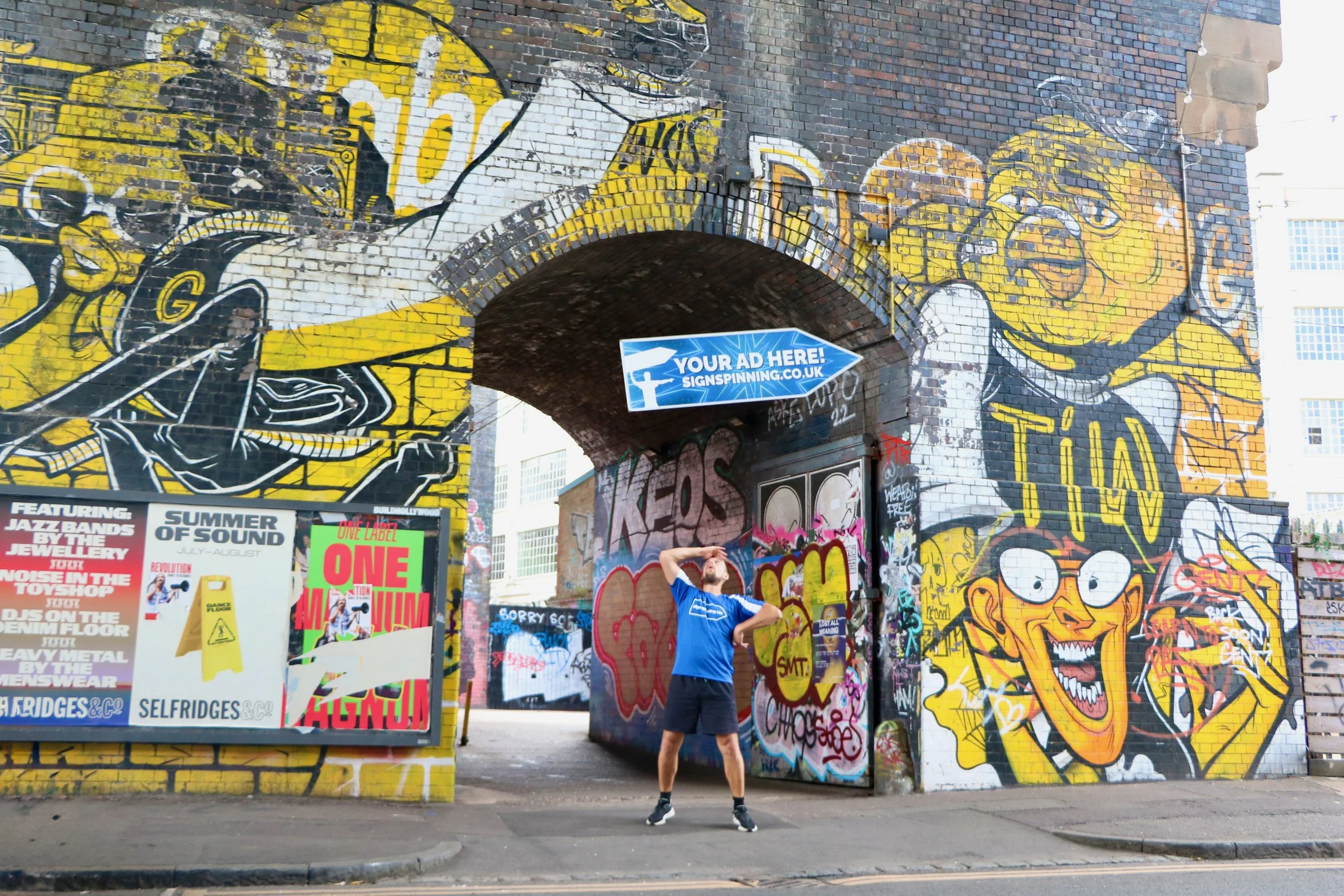
Student accommodation is no longer just about having the right building in the right city.
Across the UK, the student housing market is under pressure. Demand for purpose-built student accommodation remains strong, but students are more cautious, more price-sensitive, and often compare several options at once. Knight Frank reported in 2025/26 university-owned rental growth outperformed private direct-let accommodation. That means private providers are competing harder for attention, enquiries and bookings.
At the same time, students are still facing real housing stress. Save the Student’s 2025 accommodation survey found average student rent at £563 per month, rising to £812 in London, and 36% of surveyed students said they had thought about dropping out because of rent costs. The average student also now lives 26 minutes from campus.
So the challenge for providers is clear: students are looking, but they are overwhelmed, cost-conscious, and often physically trying to find buildings in busy cities, side streets, industrial edges, or new developments that are not immediately obvious from the main road.
That is where sign spinning comes in.
The problem: every provider is shouting at the same student
Student accommodation marketing has a very condensed calendar.
Rentals are often secured between October and December for the following academic year.By June, providers are trying to fill remaining rooms before September intake. Clearing then creates another urgent window in August, when students need to secure accommodation quickly after confirming their university place.
The result? Everyone is advertising at once.
Flyers. Posters. Paid social. Google ads. Static signs. Student fairs. Campus partnerships. Open days. Referral offers.
And in cities with multiple halls close together, students can be standing within walking distance of five different providers and still not know which building to walk into.
Why static signs and flyers don’t work
Static signage has value, but it has limits.
A sign fixed to a fence cannot move to the busiest junction.A flyer cannot answer the “where actually is it?” problem.A banner cannot wave, perform, smile, point, redirect or create a moment.
That matters because student accommodation often has a physical-location problem. The building might be technically central, but not obvious. It might sit behind another development, the show flat might be away from the main entrance, the sales office might be on a side street - the list goes on.
The key thing managers should be thinking is: “How do I get this student to find my property over the competition?”
Why sign spinning works for student accommodation
Sign spinning solves a very specific student accommodation problem: it turns awareness into direction.
A trained sign spinner can stand where attention already exists: outside a university open day, near a high-footfall junction, by a train station, close to campus, outside a competitor-heavy area, or at the entrance to a hard-to-find building.
Instead of waiting for students to notice a sign, a spinner creates movement.
They catch the eye, make the brand visible,physically direct people towards your building and they help students and parents find the viewing.
They make the accommodation feel active, open and worth visiting, and guide them right to your demo flat to experience your offer.
AArrow’s own client examples include a property case where 38% of traffic came from property signage and 41% of leases closed from that same marketing source. Their site also includes retail examples reporting 30–40% increases for stores using sign spinners.
For student accommodation providers, that is the key point: sign spinning is not just about “looking fun”. It is about creating a live directional advert during the exact window when students are already making decisions. We guide them to your open house event on the day.
Value Proposition
If your monthly marketing costs look something like this:
City billboards: £15,000
Street Banners: £6,000
Print media: £2,000
Paid ads: £2,000
And it doesn’t even move (let alone convert…) imagine spending just 5% of that and converting 70% more 👀
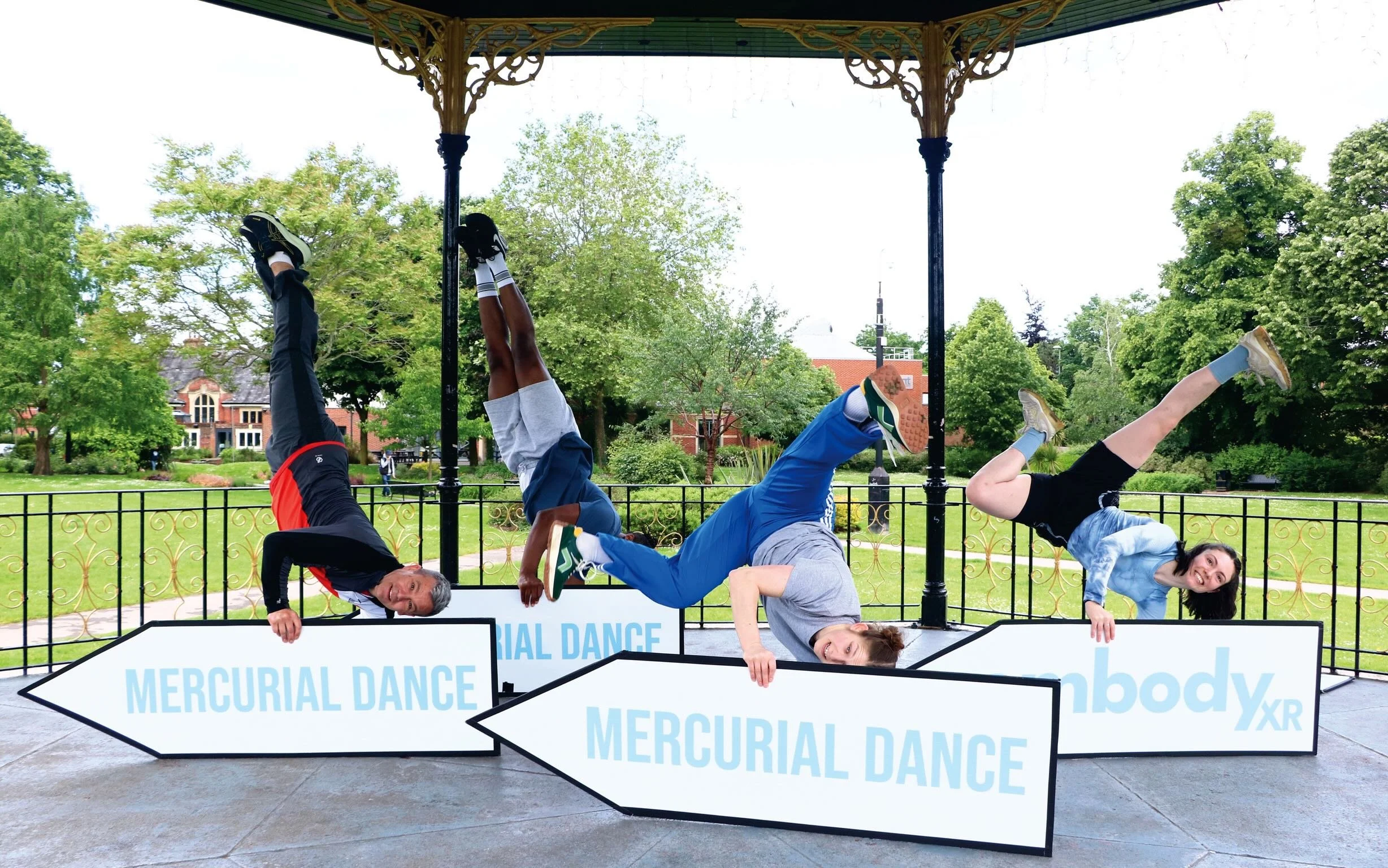
Three key moments student accommodation providers should use sign spinners
1. Open days
Open days are high-intent. Students and parents are already in the city, already comparing options, and often already walking between campus, halls and local amenities.
A sign spinner can direct that footfall towards a show flat, viewing suite or accommodation office, especially when the property is not on the main campus route.
2. Peak booking season
From late winter into spring, providers are fighting for early bookings. The earlier rooms are filled, the less pressure there is later in the cycle. Marketers specifically focus on reaching 100% occupancy faster and reducing cost per lease by driving enquiries earlier in the leasing cycle.
Sign spinning gives providers a physical campaign layer that supports digital ads, not replaces them.
A student sees the ad online.
Then sees the spinner in the city.
Then follows the sign to the building.
Then books a viewing.
That is joined-up marketing.
3. Clearing and September move-in
Clearing is urgent. September is chaotic. Students are arriving, parents are helping, and people are navigating unfamiliar cities with bags, cars and stress.
A sign spinner can be placed exactly where confusion happens: near arrivals points, car parks, main roads, campus entrances and busy walking routes.
This is where sign spinning becomes both marketing and wayfinding.
Sign spinning helps accommodation brands:
→ stand out from competing halls
→ bring movement to static streets
→ guide students to hard-to-find locations
→ support open days and viewing days
→ reduce reliance on passive flyers
→ create a memorable first impression
→ drive real-world footfall when it matters most
The takeaway
Student accommodation providers spend heavily trying to reach students online.
But the final decision often happens offline.
It happens when a student is walking through the city, trying to find the building and they’re choosing between you and another hall five minutes up the road.
For student accommodation providers facing big competition, hard-to-find locations and expensive static marketing, sign spinning gives you a human, high-energy route to the front door.
